
From Earth orbit to deep space
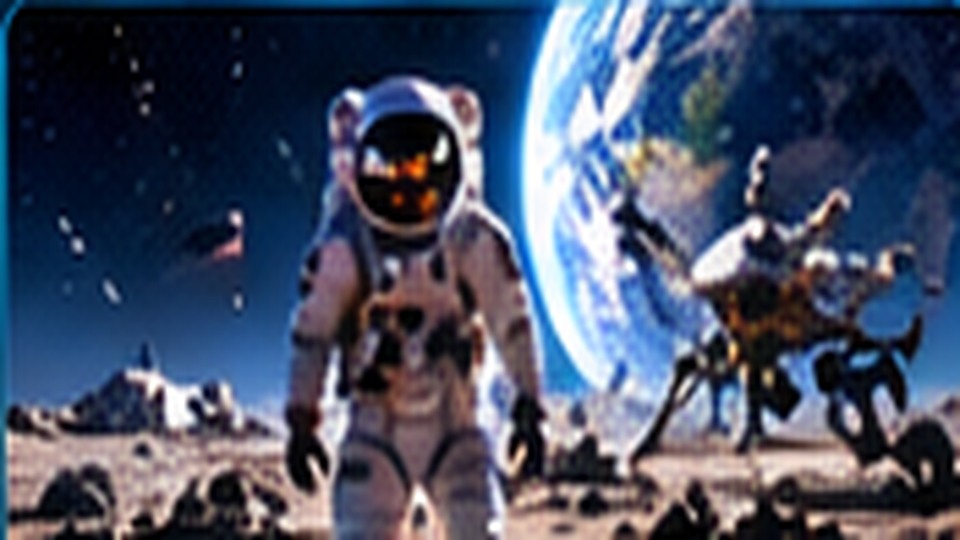

Space exploration combines propulsion, navigation, power, communications, robotics, materials, and human physiology. A mission begins with a scientific question, then engineers design instruments and spacecraft capable of collecting reliable data within strict mass, energy, and budget limits.
How missions work
Launch vehicles place payloads on a trajectory; spacecraft then use propulsion, gravity assists, star trackers, inertial sensors, and ground navigation to reach their targets. Solar arrays or radioisotope systems provide power, while thermal control protects sensitive equipment from extreme temperature changes.
Key engineering challenges
Radiation, micrometeoroids, communication delay, limited repair options, and the cost of launching mass remain major constraints. Future missions may use in-space servicing, reusable launch systems, autonomous navigation, and resource utilisation, but each requires extensive verification.
What to study next
Editorial standard: distinguish established observations from active research and future concepts; check primary scientific sources for current evidence. Images are illustrative, not documentary proof.